Source Instant Almond Powder for Food, Health Care, and Capsules
Find 30 verified instant almond powder listings from China. Compare specifications including HACCP and ISO certifications, assay methods like HPLC, and packaging options for food, health care products, and capsule applications; compare the available evidence and request quotations based on your requirements.
Key considerations
Products List




Comprehensive Sourcing Guide
Instant Almond Powder Sourcing Guide
Procuring instant almond powder requires distinguishing between simple ground seed products and complex extract formulations, as the market offers distinct variations in processing and application. Buyers must first verify whether the supplier provides raw powder derived from seeds or a concentrated extract, since the latter often involves solvent extraction and specific assay methods like HPLC or UV analysis. The observed product data indicates a range of forms including capsules, tablets, and pastes, suggesting that the raw material must be compatible with diverse downstream manufacturing processes.
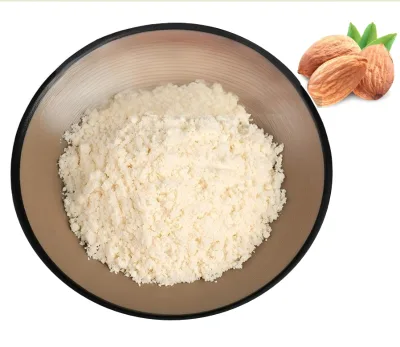
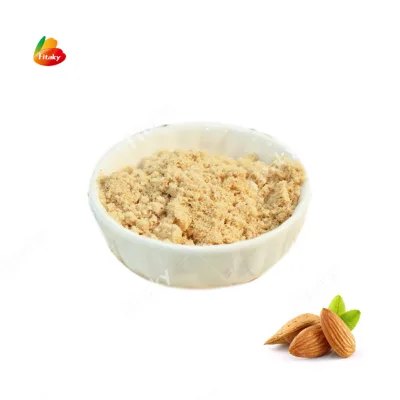
Understanding the physical state and appearance is critical for immediate integration into production lines. The available listings describe the material as an off-white or brown powder, with solubility profiles ranging from standard suspension to 100% water solubility depending on the specific model. Sourcing teams should prioritize suppliers who explicitly define the part used, such as the seed, and confirm the cultivation method, as artificial planting may influence the consistency of the final batch compared to wild-harvested alternatives.
Product Scope and Observed Listing Signals
The product scope for instant almond powder spans multiple industry verticals, including health food, general food, and healthcare products, with some listings extending to medicine and cosmetic applications like lotions or injections. This broad applicability necessitates a rigorous review of the specific product model, such as WG-HE or WA-AP008, to ensure the formulation matches the intended end-use. Buyers should note that while some products are marketed for general food consumption, others carry certifications like Kosher or Halal, which are essential for specific regional markets or religious dietary compliance.
Listing signals often reveal the extraction type and the primary ingredient composition, which directly impacts the functional performance of the powder. The data shows that some items are labeled as "Almond Extract" with a standard ratio of 10:1, while others are described simply as "Almond Powder" with a purity standard. Procurement specialists must scrutinize the application form listed, such as whether the powder is suitable for injection or suppository use, as these high-risk applications demand significantly higher purity and safety verification than standard food-grade ingredients.
Technical Specifications to Verify
Technical verification begins with the assay method, as the reliability of the active compounds depends on whether the supplier utilizes UV, HPLC, GPC, or HPLC-MS testing protocols. The presence of multiple analytical methods in the product data suggests that high-quality suppliers offer comprehensive testing to validate potency and purity, which is vital for maintaining consistent product quality across batches. Buyers should request specific test reports that align with the stated assay methods to confirm that the product meets the required concentration levels before committing to a large order.
Physical specifications such as particle size, color, and solubility are equally critical for processing efficiency and final product texture. The observed listings indicate variations in appearance from off-white to brown powder, and solubility claims range from standard to 100% water solubility, which will dictate the formulation strategy for the buyer. Additionally, the shelf life of two years and the specific packaging details, such as vacuum-packed drums or aluminum foil bags, must be confirmed to ensure the material remains stable during storage and transit without degradation.
Compliance and Safety Documentation
Compliance documentation is a non-negotiable aspect of sourcing, with the observed data highlighting a wide array of certifications including HACCP, ISO, FDA, BRC, and RoHS. These certifications indicate that the supplier adheres to rigorous quality management systems and safety standards, which is particularly important when the product is intended for human consumption or medical applications. Buyers must verify that the specific batch they are purchasing carries the relevant certificates, as the presence of a general company certification does not automatically guarantee that every product SKU meets the same regulatory requirements.
Safety documentation also extends to the specific standards applied to the product, such as purity levels or extraction ratios like 10:1. The listings mention standards like "100% Pure" and "Purity," which serve as baseline quality indicators but require independent verification through third-party testing. Furthermore, the inclusion of Halal and Kosher certificates in the product data suggests that the supply chain is audited for religious compliance, a factor that is essential for exporters targeting markets with strict dietary laws or for brands marketing to specific consumer demographics.
Cost Drivers and Commercial Terms
Cost drivers for instant almond powder are heavily influenced by the extraction type, the complexity of the assay methods used, and the level of certification held by the supplier. Products derived from solvent extraction or those requiring advanced testing like HPLC-MS typically command higher prices due to the increased processing costs and quality assurance measures involved. Buyers should expect price variations based on the specific product model and the grade of the material, as food-grade products may differ in cost from those intended for pharmaceutical or high-end cosmetic applications.
Commercial terms such as MOQ and packaging details significantly impact the total cost of ownership and logistics planning. The observed MOQ range spans from 1 to 1000 units, offering flexibility for small-scale trials or large-volume production runs, while packaging options like 5kg aluminum foil bags or 20kg cartons affect shipping efficiency. Procurement teams must negotiate terms that align with their inventory strategy, considering that vacuum-packed drums or aluminum foil bags may offer better protection against moisture but could incur higher handling costs compared to standard bulk packaging.
Supplier Qualification and Quality Control
Supplier qualification requires a deep dive into the manufacturing capabilities and the specific quality control measures implemented at the production site. The data indicates that suppliers utilize artificial planting methods and various extraction techniques, which necessitates a verification of their cultivation and processing facilities to ensure consistency. Buyers should assess whether the supplier has the capacity to maintain the stated purity standards and assay results across different batches, as this consistency is crucial for maintaining the integrity of the final product.
Quality control protocols must be validated through the supplier's ability to provide detailed test results and adherence to international standards. The presence of multiple certifications like ISO9001, ISO22000, and HACCP suggests a robust quality management system, but buyers should request evidence of recent audits and specific test reports for the product model in question. Additionally, the availability of samples ranging from 10g to 20g allows for preliminary testing, enabling buyers to verify the physical and chemical properties before scaling up to full production orders.
Long-Term Procurement Checks
Long-term procurement success depends on establishing a reliable supply chain that can consistently meet quality and volume requirements over time. Buyers should implement a schedule for regular re-verification of certifications and test results, as regulatory landscapes and supplier capabilities can change. The observed shelf life of two years provides a window for inventory management, but it is essential to monitor the stability of the product during extended storage periods to prevent any degradation that could affect the final application.
Building a strategic partnership with the supplier involves clear communication regarding customization needs and future demand fluctuations. The availability of customization options suggests that suppliers are willing to adapt their products to specific buyer requirements, which can be a significant advantage for brands seeking unique formulations. Procurement teams should maintain open lines of communication to discuss potential changes in cultivation methods, extraction processes, or packaging requirements, ensuring that the supply chain remains agile and responsive to market demands.
FAQs
What forms does instant almond powder take for health products?
Instant almond powder is available in capsule, tablet, paste, suppository, lotion, and injection forms. It serves as a versatile ingredient for health care products and food applications. The powder is derived from almond seeds via solvent extraction. This flexibility allows manufacturers to create diverse supplement formats while maintaining product integrity and ease of use in final formulations.
Can I get a free sample of instant almond powder?
Yes, free samples of 10-20 grams are available for evaluation. These samples allow buyers to verify the off-white or brown powder appearance and quality before placing bulk orders. The product is packaged in aluminum foil bags or drums to maintain freshness. This sampling process ensures that the ingredient meets specific purity and solubility requirements for your production needs.
Which certifications are available for instant almond powder suppliers?
Suppliers offer HACCP, ISO, FDA, BRC, RoHS, Kosher, and Halal certifications. These credentials ensure the product meets international food safety and quality standards. The almond extract is produced in Shaanxi, China, using artificial planting methods. Buyers can select certified sources to guarantee compliance with regulatory requirements for health food and medicine applications in various global markets.
How is instant almond powder packaged for bulk orders?
Bulk packaging includes 5kg aluminum foil bags, 20kg cartons, and 25kg drums. Vacuum-packed aluminum bags protect the powder from moisture and contamination. The single package size is approximately 25x25x10cm for standard units. This robust packaging ensures the product remains stable during storage and transportation, preserving its purity and effectiveness for use in food and healthcare manufacturing processes.
What is the shelf life of instant almond powder?
The shelf life is two years when stored properly. The powder is 100% water soluble and maintains its quality over time. It is suitable for all seasons and various applications including medicine and food. Proper packaging in aluminum foil or drums helps extend its longevity. Buyers can rely on this stability for long-term inventory management and consistent product performance in their formulations.